Just How POS System Works: A Comprehensive Overview for Business Owners
A POS system serves as a crucial tool for contemporary businesses, integrating different parts to streamline operations. It includes equipment like barcode scanners and software application to buy tracking. This system not just processes purchases yet also manages stock and analyzes consumer behavior. Recognizing its functionality can significantly affect a service's performance and decision-making. What are the vital elements that add to this effectiveness? Exploring these components offers important understandings.
Recognizing the Elements of a POS System
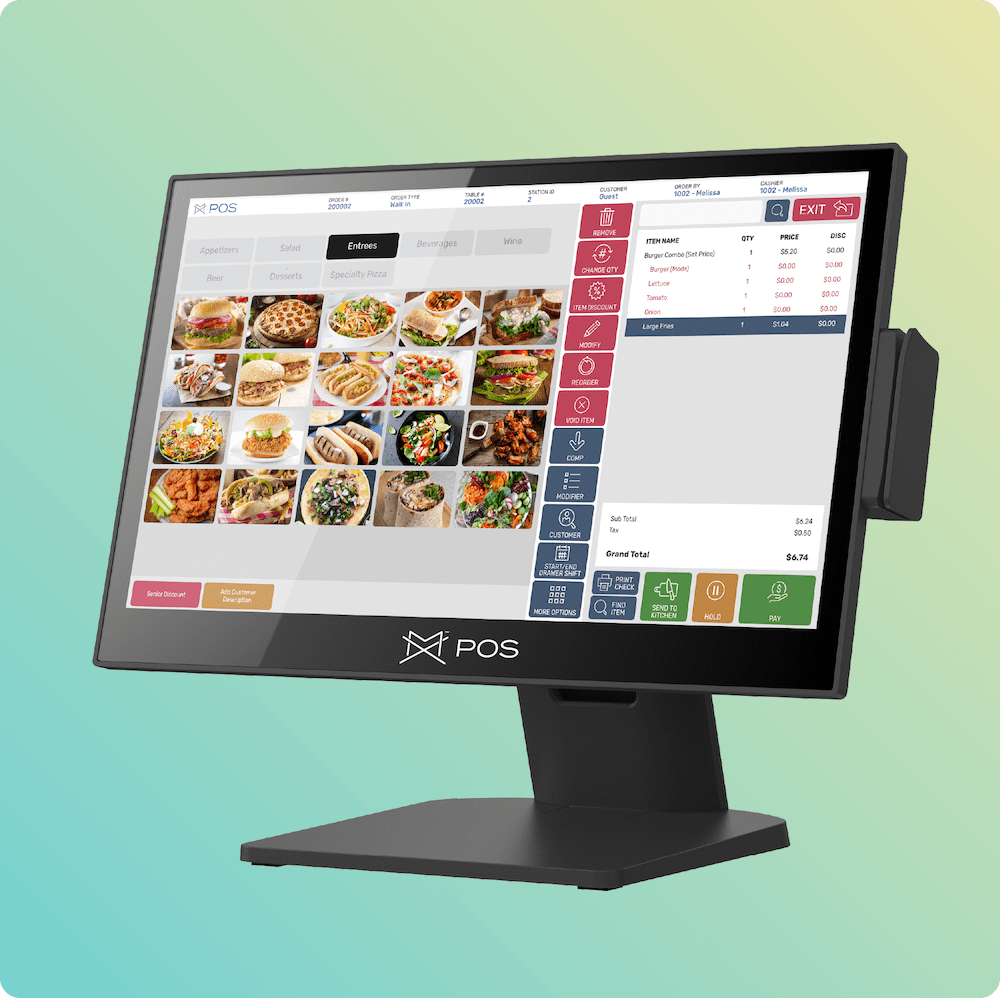
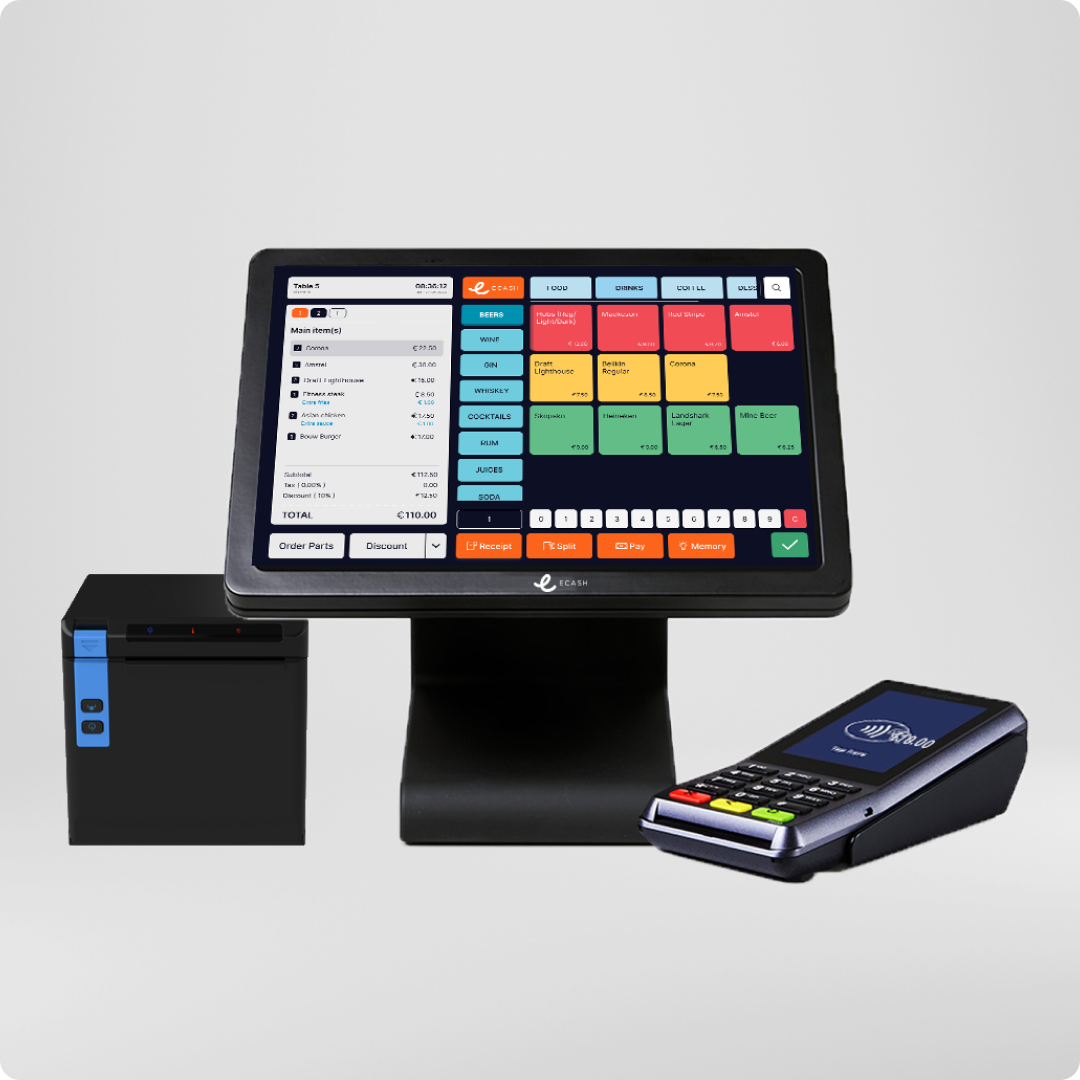
A Factor of Sale (POS) system is made up of numerous crucial elements that interact to help with deals and handle company operations. At its core, the hardware includes tools such as a sales register, barcode scanner, invoice printer, and repayment terminal, all necessary for refining sales (Restaurant POS Software). The software application element manages inventory, sales monitoring, and consumer information, supplying important insights for company decisions.Additionally, databases save deal records and client information, guaranteeing data honesty and protection. Network connectivity makes it possible for real-time updates and accessibility to cloud-based services, enhancing functional efficiency. User user interfaces, developed for ease of use, allow team to navigate the system quickly, decreasing training time. With each other, these components develop a cohesive system that simplifies the sales procedure, improves customer support, and aids in reliable management of business sources. Comprehending these parts is vital for business owners seeking to maximize their POS systems
Just How Sales Purchases Are Processed
When a consumer determines to make an acquisition, the sales deal starts a collection of methodical actions within the POS system. The cashier inputs the products being acquired, which are scanned with a barcode viewers or manually gotten in. This action retrieves product information, consisting of pricing and relevant taxes, from the system's database.Next, the client is offered with the overall amount due. The POS system after that refines the repayment, whether via cash money, charge card, or mobile payment methods. For digital repayments, the POS safely communicates with repayment cpus to license and validate the transaction.Once the repayment is verified, the system creates an invoice, which can be published or sent out electronically. This receipt works as receipt for the customer. Ultimately, the purchase information is taped in the system, making certain precise sales records and economic tracking for the service.
Stock Monitoring and Tracking
Effective inventory management and tracking are necessary parts of a POS system, as they assure that companies maintain optimal supply degrees and lessen discrepancies. A durable POS system permits for real-time supply updates, mirroring sales and returns immediately. This allows entrepreneur to check supply levels accurately, ensuring that preferred things are easily available while avoiding overstocking of less preferred products.Additionally, advanced POS systems supply attributes such as automated stock signals and reorder tips, enhancing the procurement procedure. Barcoding and RFID innovation enhance precision in tracking stock movement, lowering human mistake. Substantial reporting devices supply insights right into stock turn over rates, helping organizations make notified choices regarding acquiring and product offerings. Ultimately, reliable inventory monitoring with a POS system not just enhances functional effectiveness but likewise enhances consumer contentment by guaranteeing product accessibility.

Examining Consumer Information and Insights
Customer data analysis acts as a powerful tool for services making use of a POS system. By accumulating and examining transaction information, businesses can uncover valuable insights about customer behavior and choices. This evaluation allows them to determine buying patterns, peak buying times, and prominent products, thus informing inventory decisions and marketing strategies.Additionally, companies can segment their customer base, enabling individualized advertising and visit this website marketing initiatives that deal with certain demographics or buying practices. Understanding consumer commitment patterns likewise assists in establishing targeted promotions and incentives programs.The information amassed from a POS system can additionally disclose understandings into customer responses, making it Visit Your URL possible for organizations to make educated decisions concerning item offerings and solution renovations. Eventually, leveraging client data effectively can boost the total purchasing experience, foster client contentment, and drive profits development.
Advantages of Executing a POS System
Applying a POS system uses numerous benefits that can greatly improve organization procedures. To start with, it improves deal procedures, reducing wait times and boosting consumer fulfillment. By automating sales procedures, companies can lessen human mistake and guarantee accurate record-keeping. In addition, a POS system provides important information analytics, making it possible for proprietors to track sales trends and inventory levels in real-time. This insight sustains notified decision-making, aiding to maximize supply management and advertising strategies.Moreover, many POS systems integrate with other company tools, such as accountancy software program, streamlining economic monitoring. Boosted staff member monitoring features, such as tracking hours and efficiency, further contribute to operational efficiency.Lastly, the application of a POS system can cause boosted profits with enhanced client experiences and calculated insights, eventually promoting company growth and sustainability.
Frequently Asked Inquiries
What Kinds Of Services Can Gain From a POS System?
Just how much Does a POS System Typically Price?
The expense of a POS system typically ranges from a couple of hundred to a number of thousand bucks, depending upon attributes, hardware, and software program - Restaurant POS Software. Companies have to consider recurring fees for maintenance, assistance, and transaction processing when budgeting
Can I Integrate a POS System With Existing Software?
Integrating a POS system with existing software program is often possible. Lots of systems supply APIs or integrated compatibility features, enabling services to enhance operations and enhance performance by moved here linking numerous software application applications effectively.
What Training Is Required for Staff to Use a POS System?
Training for personnel to utilize a POS system normally consists of understanding software program functionalities, processing transactions, managing inventory, and handling customer interactions - Restaurant POS Software. Practical presentations and hands-on session boost effectiveness and self-confidence in making use of the system effectively
What Happens if the Internet Drops While Making Use Of a POS System?
If the net drops throughout POS system usage, deals may be interrupted. Numerous systems offer offline abilities, enabling fundamental operations to continue, yet complete performance, including real-time inventory updates, will be restricted.